
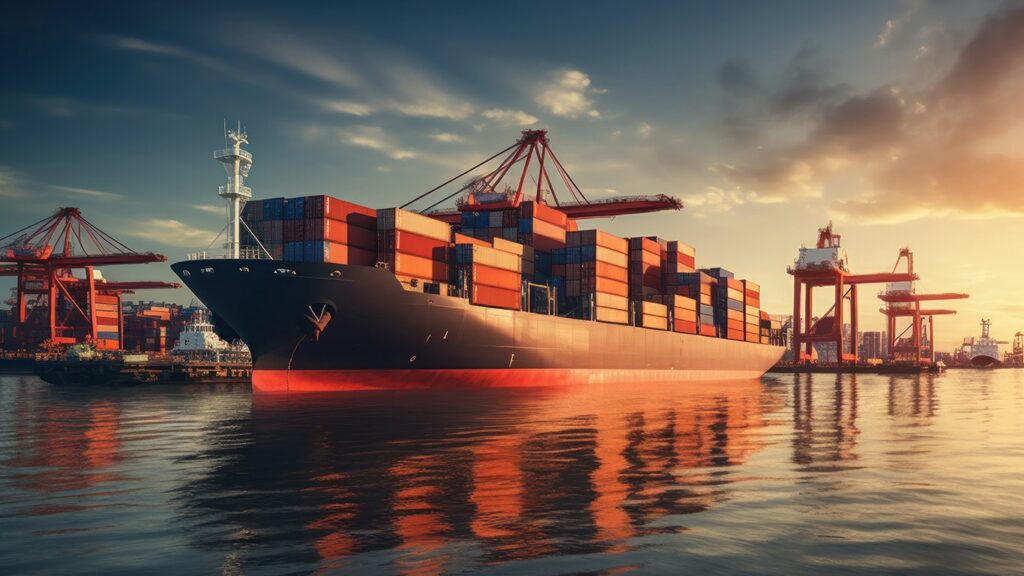
Overcoming challenges in international freight forwarding requires a strategic approach to navigate the complexities of global logistics. Here are some common challenges and ways to address them:
1. Customs and Regulatory Compliance
Challenge: Different countries have varied regulations, customs procedures, and documentation requirements, making compliance complex. Solution:
- Partner with experienced customs brokers.
- Stay updated on changes in international trade regulations.
- Invest in automated software solutions that streamline documentation and ensure regulatory compliance.
2. Supply Chain Disruptions
Challenge: Global events like pandemics, geopolitical tensions, or natural disasters can disrupt supply chains. Solution:
- Build relationships with multiple carriers and service providers.
- Implement contingency plans and diversify sourcing and shipping routes.
- Use real-time tracking and supply chain management tools to monitor goods in transit.
3. Managing Costs
Challenge: Freight costs can fluctuate due to fuel price changes, currency exchange rates, and carrier fees. Solution:
- Negotiate long-term contracts with freight forwarders for better rates.
- Consolidate shipments to reduce costs and increase efficiency.
- Monitor exchange rates and work with financial services to mitigate currency risk.
4. Communication Across Time Zones and Cultures
Challenge: Working with partners and customers across multiple time zones and languages can lead to communication delays or misunderstandings. Solution:
- Use technology to manage communication, like time zone scheduling tools and translation services.
- Establish clear communication protocols with key stakeholders.
5. Cargo Security and Risk Management
Challenge: The risk of theft, damage, or loss of goods is higher in international shipments. Solution:
- Invest in cargo insurance and work with reliable freight forwarders who follow best security practices.
- Use tamper-evident packaging and employ tracking systems to monitor shipments in real time.
6. Environmental Sustainability
Challenge: There’s growing pressure to reduce carbon footprints in freight forwarding. Solution:
- Choose carriers that use eco-friendly practices, such as carbon-neutral shipping options.
- Opt for optimized shipping routes and energy-efficient modes of transport (e.g., sea vs. air).
7. Technology Integration
Challenge: Many companies face difficulties integrating various technologies across the logistics chain. Solution:
- Adopt integrated freight management platforms that provide end-to-end visibility.
- Work with partners who are technologically advanced and can provide real-time updates.
8. Capacity Shortages and Port Congestion
Challenge: During peak seasons or due to unforeseen events, capacity constraints or port congestion can delay shipments. Solution:
- Book cargo space well in advance, especially during peak periods.
- Use flexible routing options to avoid congested ports and minimize delays.
By addressing these challenges proactively, freight forwarders can improve their efficiency, minimize risks, and ensure smoother international shipping operations..