
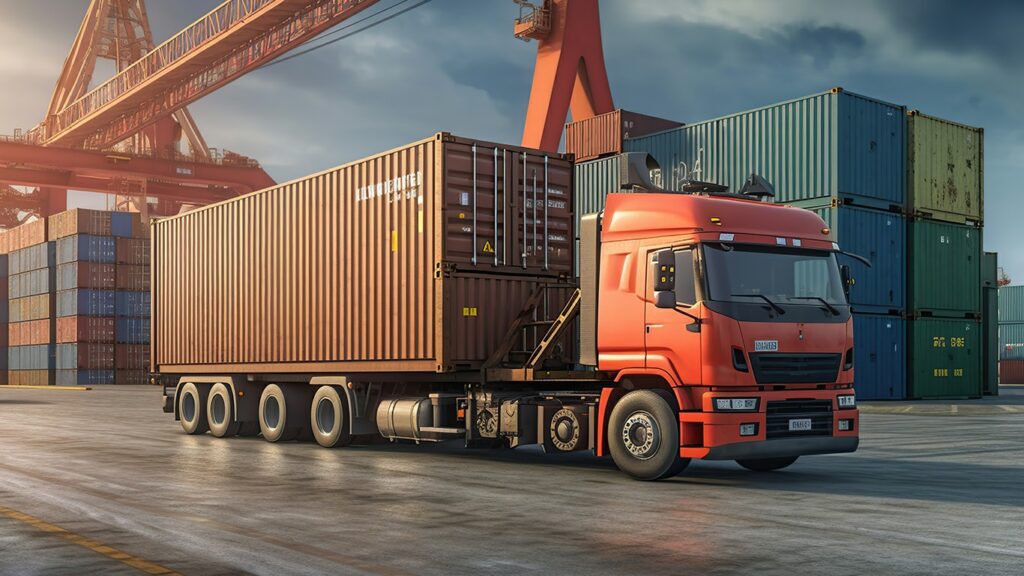
The future of truckload transportation is likely to be shaped by several key trends, driven by technological advancements, regulatory changes, and evolving market demands. Here are some significant developments expected to impact the industry:
1. Autonomous Trucks
- Driverless Technology: The development of autonomous or semi-autonomous trucks is already underway, and the industry expects to see greater integration of this technology in the coming years. Autonomous trucks could improve efficiency, reduce human error, and address driver shortages.
- Safety and Regulations: Although the technology exists, widespread use depends on regulatory frameworks and safety protocols being established, which may take time.
2. Electrification and Alternative Fuels
- Electric Trucks: Major companies like Tesla, Volvo, and Daimler are developing electric trucks as a cleaner, more sustainable option for long-haul transport. As battery technology improves, electric trucks are expected to become more viable for truckload transportation.
- Hydrogen Fuel Cells: Hydrogen-powered trucks are also being explored as an alternative to diesel, offering longer ranges and quicker refueling compared to electric vehicles.
- Lower Emissions Regulations: Increasing global pressure to reduce carbon emissions will drive faster adoption of alternative fuel vehicles.
3. Digitalization and Connectivity
- Telematics and IoT: Enhanced connectivity through the Internet of Things (IoT) will improve fleet management, cargo tracking, route optimization, and predictive maintenance. This will help companies maximize efficiency, minimize downtime, and improve customer service.
- Blockchain for Supply Chain Transparency: Blockchain technology could provide increased transparency and security in the supply chain, improving contract management, payment processing, and load tracking.
- Real-Time Data Analytics: Real-time analytics platforms are being adopted to monitor transportation performance, predict demand, and optimize routes, helping improve both operational efficiency and customer satisfaction.
4. Sustainability and Green Initiatives
- Eco-Friendly Practices: Sustainability will be a significant driver in shaping the future of truckload transportation. Companies are increasingly adopting green initiatives, including more efficient routing, reduced idle times, and fuel-efficient technologies, to meet environmental goals and regulations.
- Regulatory Changes: Government regulations aimed at reducing emissions, such as stricter fuel standards and mandates for greener fleets, will continue to impact how the trucking industry evolves.
5. E-commerce Growth and Changing Consumer Expectations
- Demand for Faster Deliveries: The rise of e-commerce and the shift in consumer expectations for faster, more reliable delivery will drive changes in how truckload transportation operates. Companies will need to focus on last-mile delivery solutions and faster, more agile supply chains.
- Warehouse Automation: As e-commerce grows, the use of automated warehouses, drones, and robotics will increase, requiring trucking companies to integrate with these systems more efficiently.
6. Labor and Driver Shortages
- Recruitment and Retention Challenges: Driver shortages are a growing concern in the trucking industry, and this is expected to continue. Autonomous vehicles could offer a partial solution, but companies may also need to offer better working conditions and wages to attract and retain talent.
- Digital Platforms for Matching Freight with Drivers: The rise of digital freight matching platforms, often referred to as the “Uberization of freight,” will likely continue, connecting shippers and truckers more efficiently and reducing empty miles.
7. Advanced Safety Features
- Collision Avoidance Systems: Safety will be a key focus, with new technology such as advanced collision avoidance systems, lane departure warnings, and automated braking becoming standard features.
- Fleet Safety Management: Real-time monitoring of driver behavior and vehicle health will help improve safety standards across fleets, reducing accidents and liability risks.
8. Supply Chain Resilience and Flexibility
- Disruption Preparedness: The COVID-19 pandemic highlighted the need for more resilient supply chains. The truckload transportation sector will focus on flexibility and diversification of routes to mitigate risks of global disruptions like pandemics, natural disasters, or geopolitical tensions.
Overall, the future of truckload transportation looks set to be more efficient, sustainable, and technology-driven, with significant innovations transforming both the business models and the operational practices within the industry.